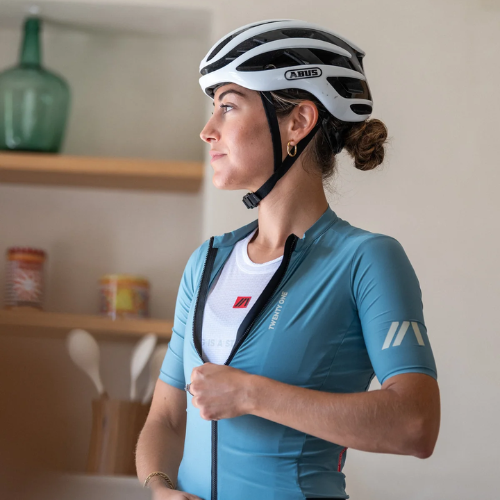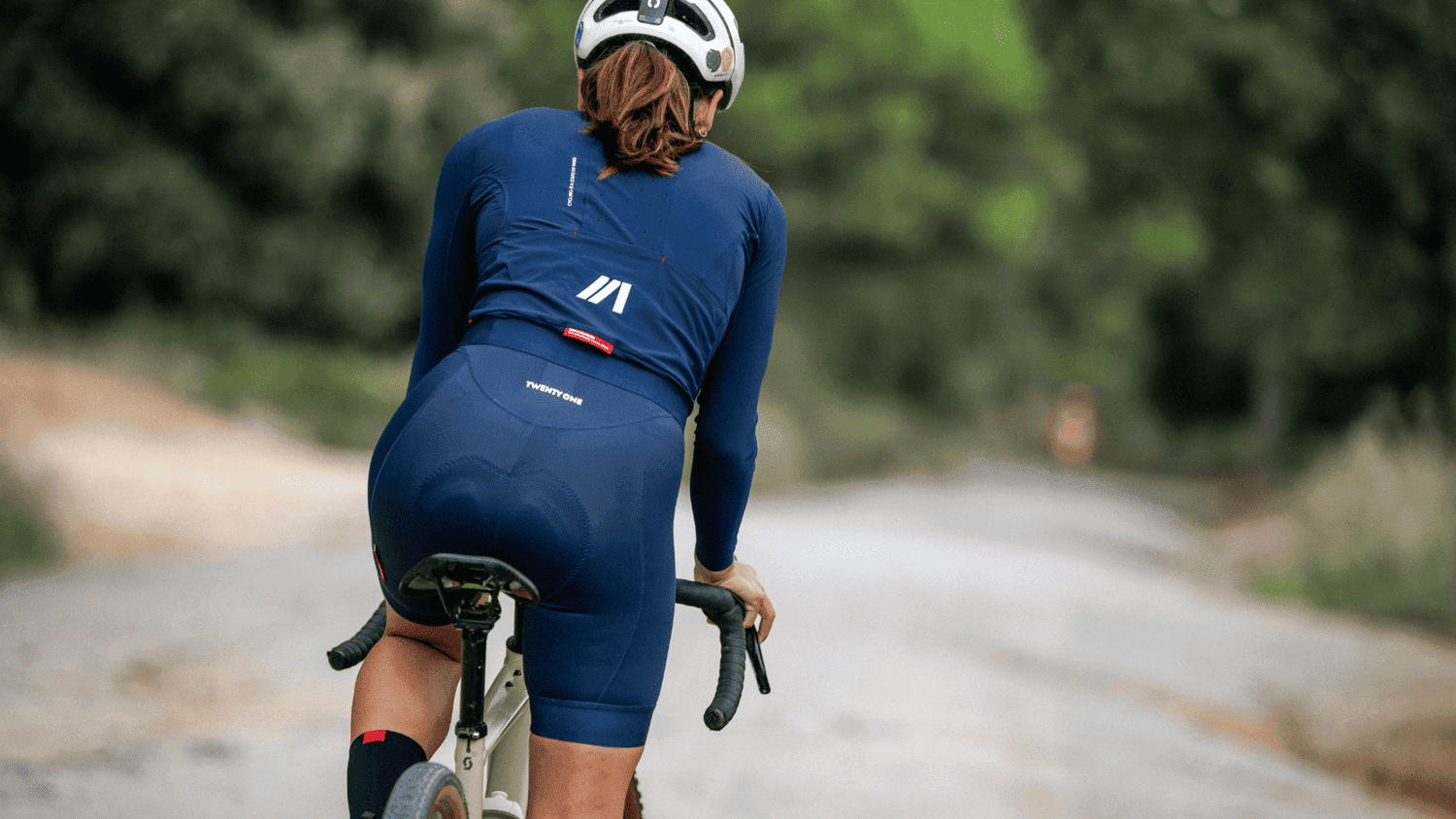
If there is one element that can make the difference between a comfortable ride and an endless day in the saddle, it is the chamois. This component, found in all cycling shorts, is much more than just padding: it is the direct point of contact between the body and the bike, and its design directly influences the cyclist's performance, comfort, and health.
Choosing a quality chamois is key if you spend hours in the saddle, whether on the road, gravel, or on the trainer.
Below, we explain what you should consider when choosing the perfect chamois, how they vary depending on the type of cycling, and what technologies make the difference between good and mediocre equipment.

What is a chamois and why is it so important?
The chamois is the padded piece located in the crotch of the cycling shorts. Its main function is to reduce friction, absorb shocks, and improve breathability.
A good chamois protects the most sensitive pressure points and helps prevent chafing or discomfort during long rides.
At specialized brands such as Twenty One Cycling, each chamois is designed with ergonomic criteria in mind and tested on the road by real cyclists, ensuring a balance between comfort, lightness, and durability.
Types of chamois pads according to the type of cycling
Not all chamois pads are the same. Depending on the type of use and position on the bike, their thickness, density, and shape change.
Road cycling chamois pads
- Designed for a more aerodynamic position.
- They tend to be of medium thickness (8–12 mm) and anatomically designed.
- Focused on lightness and ventilation, ideal for long rides.
MTB or gravel bike chamois
- Thicker padding to absorb shocks.
- Greater protection in the perineal and lateral areas.
- More abrasion-resistant and quick-drying fabrics.
Indoor cycling chamois
- Thinner and highly breathable.
- Designed to wick away sweat and prevent overheating.
- Some models use specific antibacterial materials.
Twenty One Cycling also takes into account the anatomical differences between men and women. Women's chamois pads are usually wider at the back and with less volume at the front, adapted to the ergonomics of the female body.
Comparison table of chamois types according to cycling type
|
Type of cycling |
Approximate thickness |
Main features |
Recommended for |
|
Road |
8–12 mm |
Lightweight, aerodynamic design, high ventilation |
Long routes, daily training |
|
MTB / Gravel |
12–15 mm |
Dense padding, shock absorption, durable fabrics |
Rough roads, off-road trails |
|
Indoor / Spinning |
6–8 mm |
Maximum breathability, antibacterial materials |
Roller sessions or gym sessions |
Which chamois to choose based on the length of your rides
The choice of chamois also depends on how much time you spend on the bike. As the length of the ride increases, the density and support must be adapted to maintain comfort.

Recommendation table based on the length of your routes
|
Duration of the route |
Type of chamois recommended |
Key features |
|
Short (1–2 horas) |
Lightweight or low density |
Fine foam, good ventilation, maximum freedom of movement. |
|
Medium (2–4 horas) |
Medium density |
Balance between comfort and breathability. |
|
Long (+4 horas) |
High density / anatomical |
Multi-layer technical foams, reinforced support, and breathable fabrics. |
Tip: if you usually ride routes of varying lengths, opt for a mid-to-high-end chamois with progressive density.
Most common materials and technologies for cycling pads
The best chamois pads use technical foams and high-density Italian fabrics. The combination of materials directly influences the comfort and durability of the cycling shorts.
Multi-layer foams
These allow pressure to be distributed evenly. The inner layers are usually denser (for support), while the outer layers are softer for contact with the skin.
Variable density according to pressure zones
High-end chamois use variable density zones, designed to offer more support where the body exerts greater pressure on the saddle (perineal area) and greater softness on the sides.
This intelligent distribution improves circulation, reduces numbness, and maintains comfort even after many hours of cycling.
Gel vs. foam: key differences
- Gel: better vibration absorption, ideal for uneven routes.
- Foam: lighter and more breathable, recommended for long distances.
Some chamois combine both materials to achieve a perfect balance.
Antibacterial and breathable fabrics
The outer fabric should be antibacterial and quick-drying. This prevents odors and improves thermal comfort, especially in summer.
How to choose the perfect size and fit
- A chamois will not work well if the cycling shorts do not fit properly.
- Avoid wrinkles or folds.
- The chamois should be aligned with the saddle and stay in place while pedaling.
- High-end cycling shorts use ergonomic patterns and elastic straps to ensure stability and an anatomical fit.
Tip: If you notice that the chamois shifts or causes chafing, you may need a different size or a model with greater compression.
Care and durability tips
To preserve its technical properties:
- Wash the bib shorts at a maximum temperature of 30°C without fabric softener.
- Avoid tumble drying and direct sunlight.
- Store the garments hung up or folded without putting pressure on the chamois.
A quality chamois can last between 8,000 and 10,000 km of use if cared for properly.
When to replace the padding in your cycling shorts
Signs that your chamois needs replacing:
- The foam has lost its density or shape.
- You notice more vibrations or discomfort after a few hours.
- The fabric shows cracks or wear.
In these cases, it is advisable to replace the cycling shorts and opt for an updated model with the latest technology.
Conclusion: invest in comfort and performance
The chamois is a direct investment in your well-being on the bike.
Cycling shorts with a technical, well-fitting chamois improve performance, prevent injuries, and make every kilometer more comfortable.
Try, adjust, and trust your feelings
No technical specifications can replace real experience on the bike. Every cyclist has their own level of demand, saddle type, and pedaling style.
The best thing to do is to try different chamois pads and choose the one that best suits your body and cycling style. Your comfort is the best indicator.
Discover our collection of men's cycling bibs and women's cycling bibs at Twenty One Cycling, tested by cyclists in Girona and Barcelona and designed to accompany you on every ride.