Build your kit
Explore bundles
TWENTY ONE / COLLECTION
9 products
Build your kit
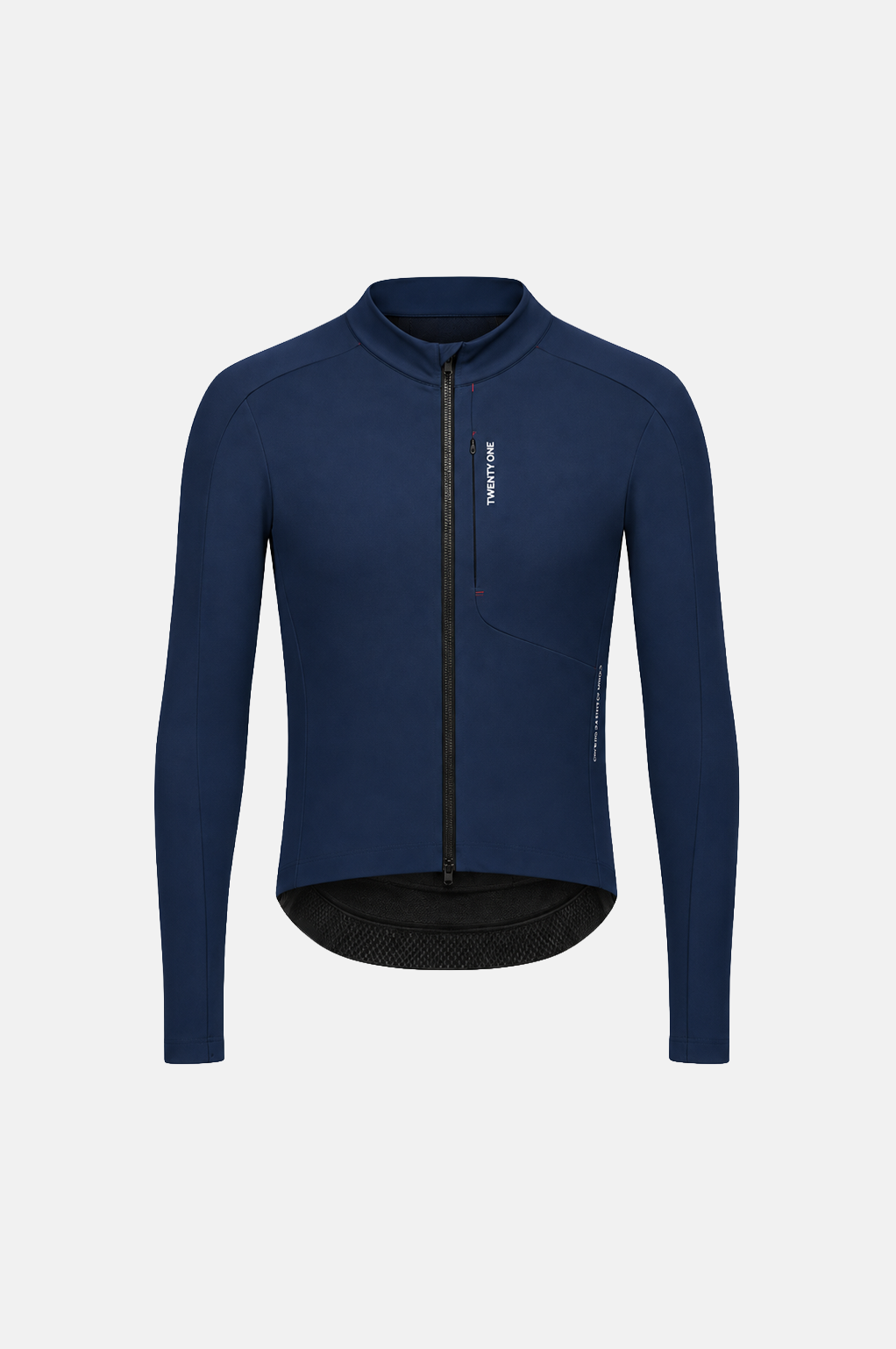
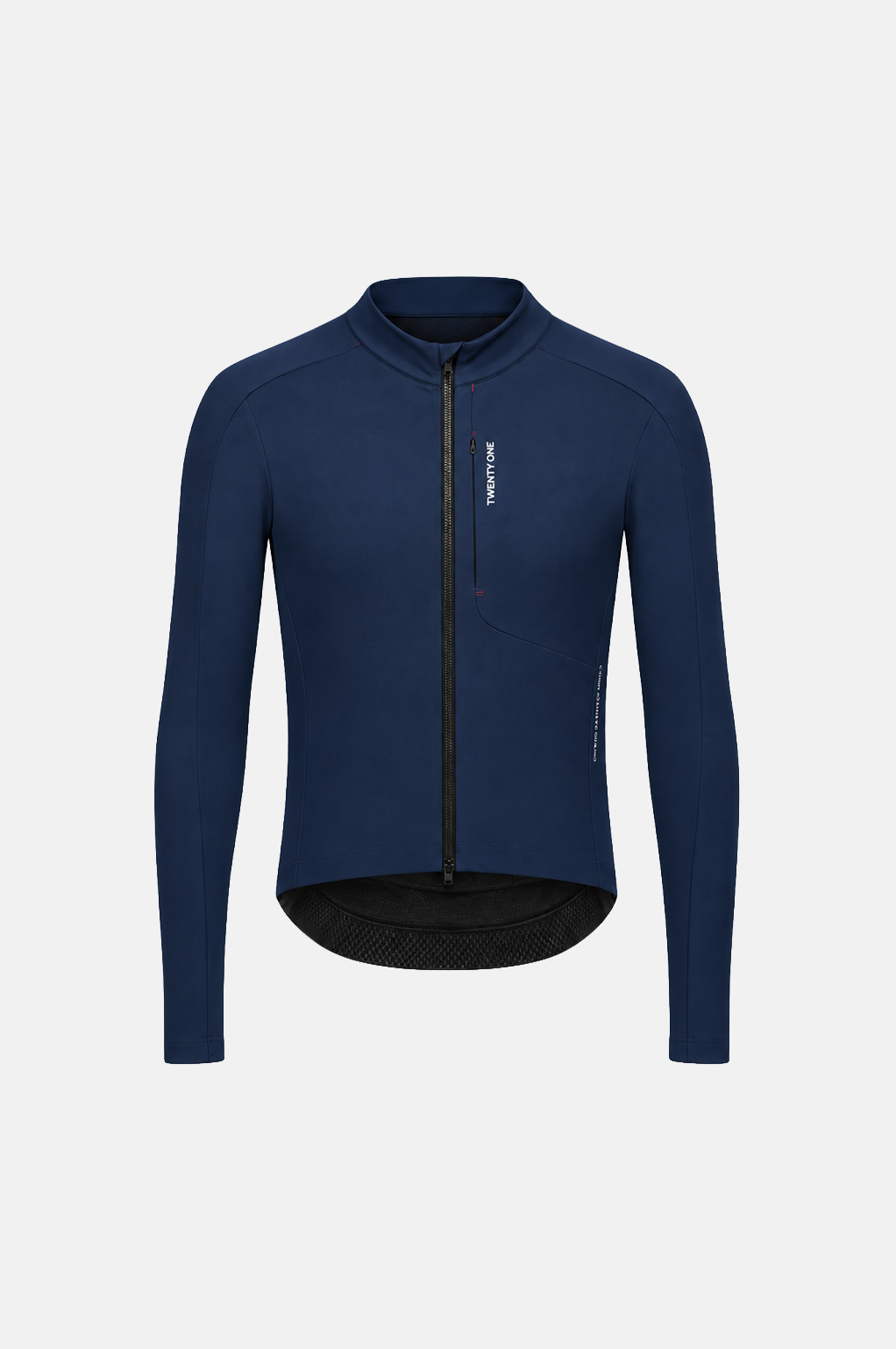
The long-sleeve cycling jersey is the key garment when temperatures drop but it's not yet necessary to resort to a jacket. For autumn rides, mild winter training, or early morning routes, it provides the right balance of thermal protection, breathability, and freedom of movement.
These garments are designed for cyclists who train regularly on roads, gravel, or mountains, with a technical and functional approach.
At Twenty One Cycling, this collection is designed for real use on the bike, tested in variable conditions such as those offered by Barcelona, Girona, the Costa Brava, and the Pyrenees, where the weather can change from one kilometer to another.
See collection of long-sleeve jerseys.
The thermal jersey is designed for cool temperatures and active training. It offers moderate thermal capacity, prioritizing breathability and comfort when the pace is constant or high.
It is a suitable option for rides where protection is sought without feeling overdressed.
The super thermal jersey is designed for colder conditions or long rides at a sustained pace. The fabric provides a higher level of heat retention, maintaining a stable feeling during pedaling.
It works especially well when the cold is prominent, but a jacket is not yet needed.
The main difference between a thermal and a super thermal jersey lies in the level of protection against cold and the intended use. The thermal jersey is more versatile and is designed for active training and cool temperatures, where breathability and thermal regulation are priorities.
The super thermal jersey offers a higher level of heat retention, making it more suitable for cold days, long rides, or routes at a constant pace, when sustained thermal comfort is key and a jacket is not yet required.
On the road, fit and stability are crucial. For intense training or rides with changes in pace, a thermal jersey is usually sufficient. On cold days or long rides, the super thermal provides extra comfort.
On trails or in the mountains, where intensities vary and the terrain is more demanding, prolonged comfort, good sweat management, and a garment that doesn't restrict movement in technical areas are especially valued.
For indoor sessions or relaxed rides, it's advisable to avoid excessive warmth. A thermal jersey can provide long-sleeve comfort without compromising breathability.
A well-designed long-sleeve jersey doesn't aim for "more thickness," but rather a fabric that performs correctly during exertion. This collection prioritizes:
Each element is designed to provide real benefits on the bike, without unnecessary additions.
On colder days, this type of jersey can be combined with a vest or a cycling jacket depending on the intensity of the ride.
The fit is oriented towards a natural cycling position, with long sleeves that accompany movement without causing tension. The feel is stable and comfortable on both road and gravel.
To get the right size, it is recommended to consult the Size Guide and consider the type of use and desired fit.
Proper maintenance helps preserve the fabric's properties and extends the jersey's lifespan:
Consult the Product Care Guide for more details.
Complete your layering system with other technical garments from Twenty One Cycling:
Choosing a good long-sleeve cycling jersey makes a difference when training in variable temperatures. It's a key garment for maintaining comfort on autumn, mild winter, and spring rides, both on the road and gravel.
Explore Twenty One Cycling's long-sleeve cycling jersey collection and find the option that best suits your riding style and the conditions you usually train in.
It is designed for cool to moderately cold temperatures. The thermal and super thermal versions allow adaptation to different ranges depending on intensity and weather conditions.
The thermal jersey prioritizes breathability and is more versatile, while the super thermal offers greater heat retention for cold days or long rides.
Yes, the fit and construction are designed for versatile use on roads as well as on trails and technical paths.
In cool conditions, yes. On colder days it can be combined with outer layers (vest or jacket) or an inner layer (base layer) depending on the intensity of the ride.
It should be snug against the body without creating pressure, adapting to the cycling position to avoid creases and unnecessary movement.