Article written and reviewed by the TwentyOne Cycling technical team. All articles referenced in this article have been tested on routes in Barcelona and Girona, under real conditions of heat, cold, and humidity.
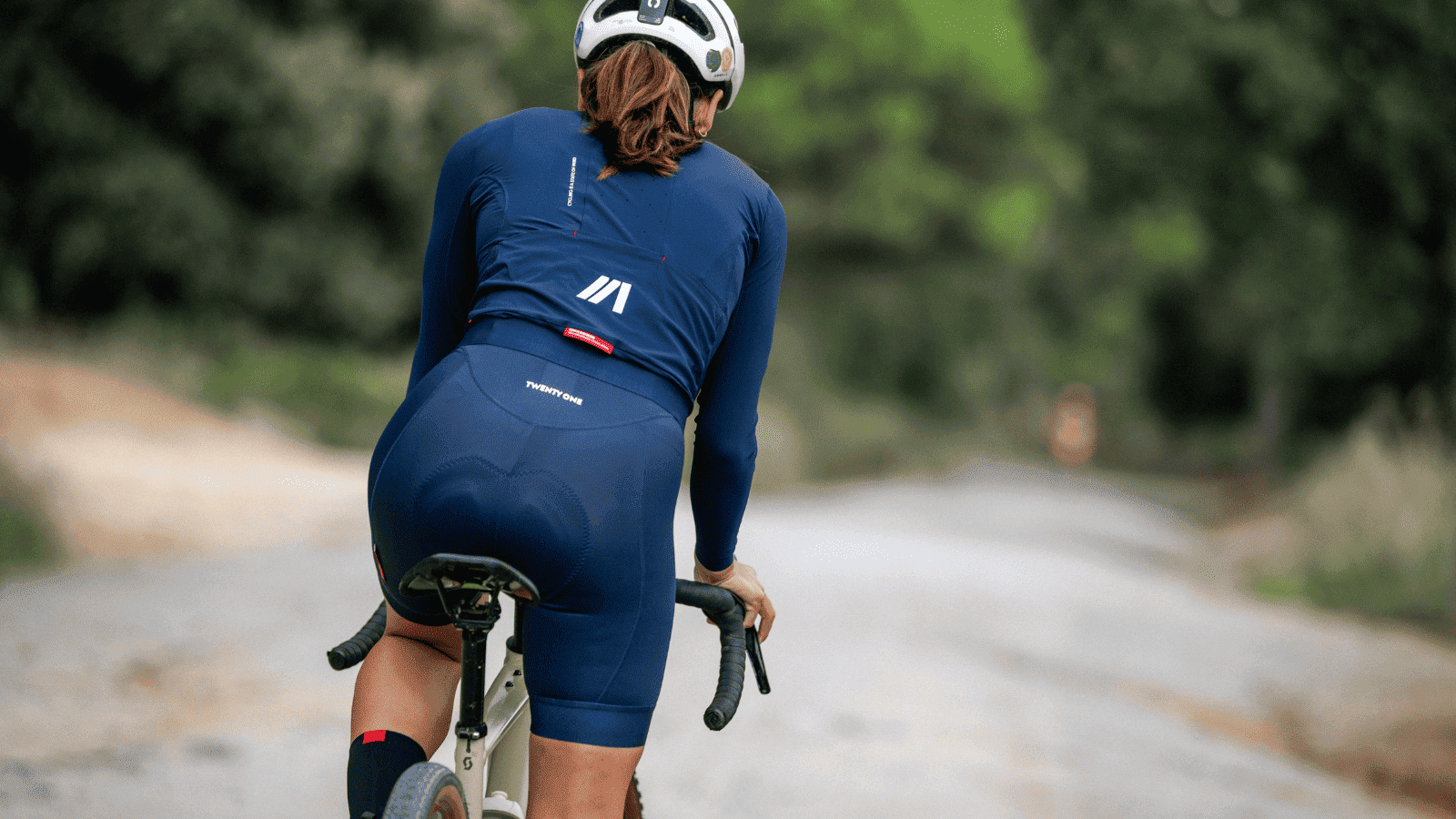
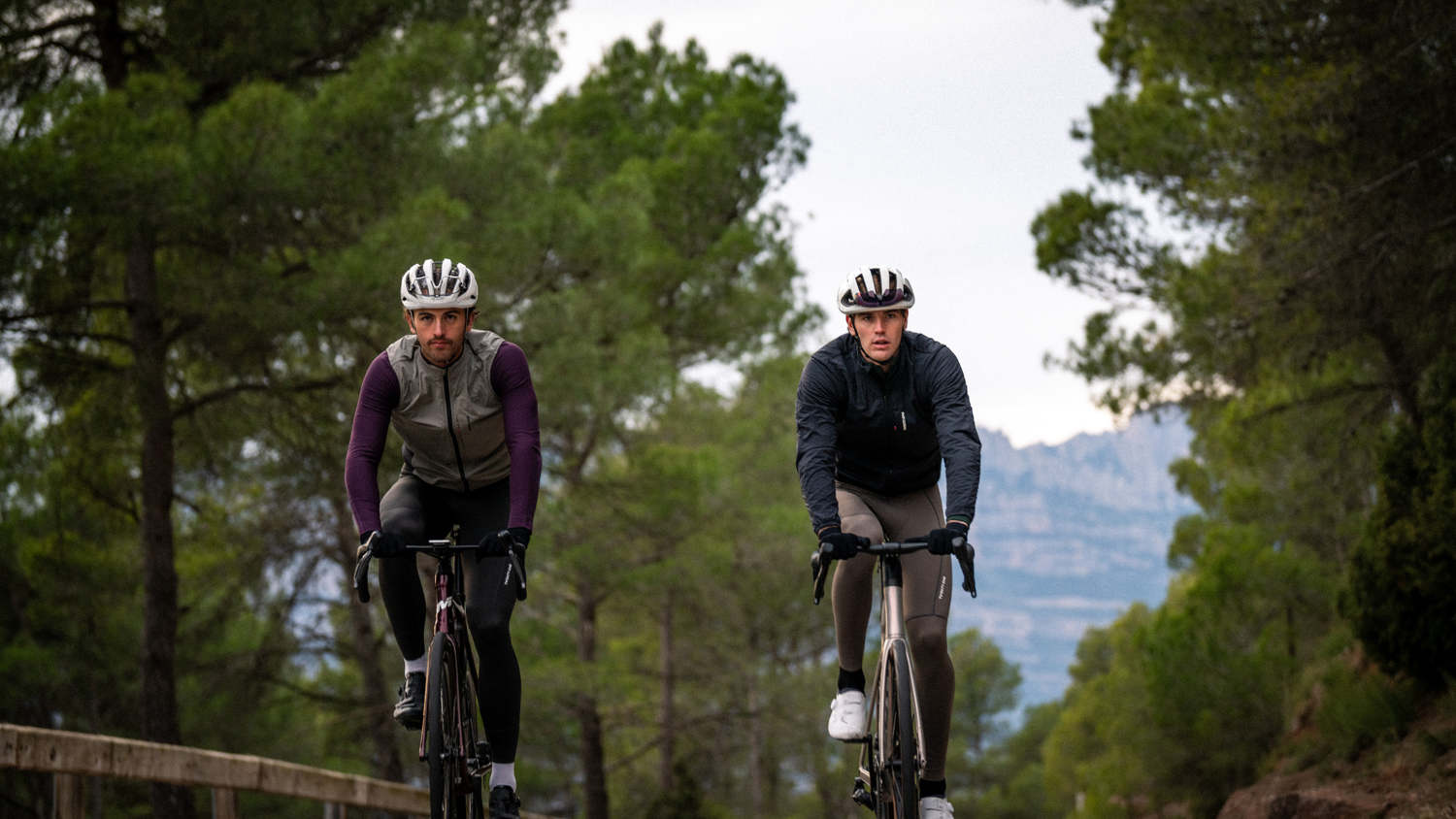
Winter cycling clothing includes thermal base layers, fleece-lined jerseys, thermal windproof jackets and vests, and long bib tights that protect against cold and moisture.
When temperatures drop, these garments become crucial for maintaining comfort, performance, and safety on every ride.
How to protect yourself from the cold without losing performance

The objective is simple: insulate from the cold without losing aerodynamics or breathability.
Modern winter garments combine thermal panels, windproof membranes, and strategic elasticity to maintain just the right warmth and prevent overheating.
The importance of the layering system
The most common mistake among cyclists is wearing too many thick garments.
The ideal is to dress in functional layers, regulating heat and moisture as the ride progresses.
According to British Cycling, the layering system is key to maintaining a stable body temperature in prolonged cold conditions.
Base layers: the first defense against the cold

The thermal base layer is the first barrier against the cold.
Its function is to wick away sweat without retaining moisture.
At Twenty One Cycling, we recommend technical polyester fabrics (better sweat wicking and quick drying) or merino wool (better insulation and thermal comfort), depending on the intensity of the workout.
Tip: avoid cotton. It retains moisture and cools the body when intensity decreases.
Winter thermal jerseys and jackets

The thermal jersey acts as a mid-layer: it retains heat and allows for ventilation. On cold days (5–10 °C), many cyclists combine a thermal jersey with a windproof or water-repellent jacket.
Technical fabrics and breathability
Current jackets use Windproof or DWR membranes, which block wind and light rain, but maintain active breathability.
In the winter tests carried out by the Twenty One team, these garments proved to maintain warmth even on long descents without overheating.
Long bib tights and leg protection

The legs are the cyclist's engine and need thermal protection and freedom of movement. Winter long bib tights incorporate fabrics with a fleecy interior and elastic structure that maintain warmth without restricting pedaling.
Technical tip: bib tights with anatomical panels (fabric panels cut and sewn to follow the natural shape of the body, not a single piece), and flat seams reduce friction and improve efficiency during prolonged pedaling.
Essential winter accessories
Gloves, shoe covers, and thermal bandana
In winter, the extremities of the body are the first to lose heat.
Gloves with inner lining, neoprene shoe covers, and a thermal bandana are essential to prevent heat loss and potential muscle injuries.
Additionally, photochromic glasses protect the eyes from cold air and improve visibility on cloudy or foggy days.
Tips for choosing your gear wisely
- Adapt layers to temperature and type of training.
- Ergonomic fit: avoid loose garments that create air pockets.
- Visibility: prioritize reflective elements.
- Care for your technical garments: wash in cold water (max. 30 °C) and without fabric softener.
- Test combinations on the road to find your optimal thermal comfort point.
At Twenty One, we have created our Product Care Guide so you can learn how to wash and maintain product quality for as long as possible.
Tested by cyclists with over 20 years of experience

The variable conditions of both regions (wind, humidity, and constant changes in elevation) make Catalonia a perfect laboratory for testing our garments.
Every jacket, jersey, or bib short undergoes demanding rides before reaching the catalog.
“Our goal is for every cyclist to feel comfortable, protected, and fast, no matter how cold it is.” - Joan Garrós, CEO of Twenty One Cycling.
Conclusion and recommended gear
Choosing the right winter cycling clothing makes the difference between enjoying or suffering on every ride.
With an adequate layering system and high-performance technical fabrics, the cold ceases to be an obstacle.
Explore our recommended collections:
Frequently asked questions about winter cycling clothing
- What cycling clothing to wear in winter? Dress in layers: thermal base layer, thermal jersey, and windproof or waterproof jacket.
- At what temperature is it advisable to wear long bib tights? Above 12 °C is recommended; below 8 °C, it is essential.
- What is the difference between a thermal jersey and a regular one? The thermal one uses a fleece-lined interior fabric that retains heat without compromising ventilation.
- How to care for winter cycling clothing? Wash in cold water (30 °C), without fabric softener, and air dry.
Article written by:
Joan Garrós is the CEO of Twenty One Cycling. He has been involved in cycling for more than two decades, and this personal experience allows him to create clothing designed to perform on real rides: comfortable, precise, and with all the technical details a cyclist needs.
Outside of work, he enjoys staying active, cycling, and spending time with his family.