

Filters
7 products
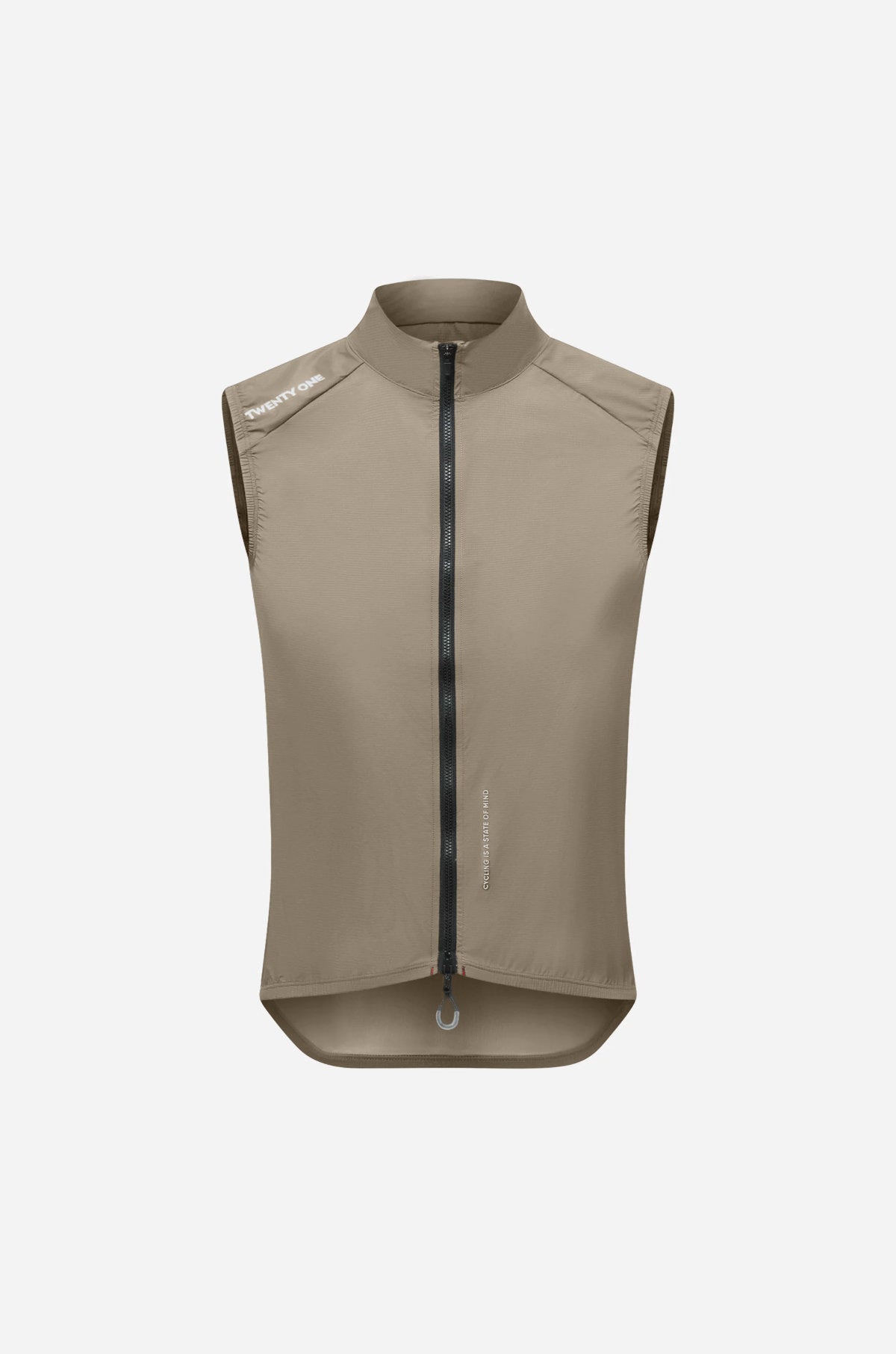


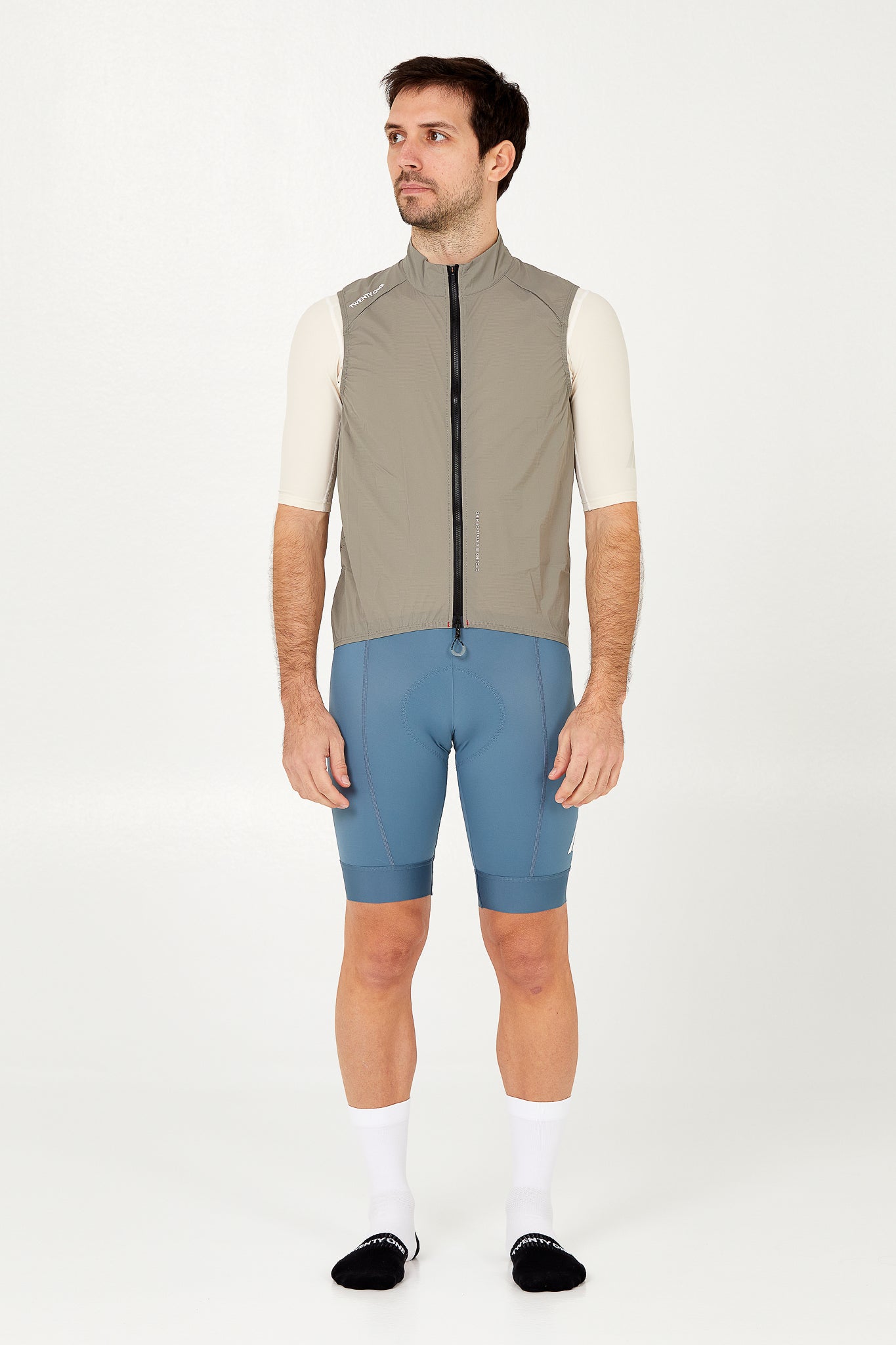
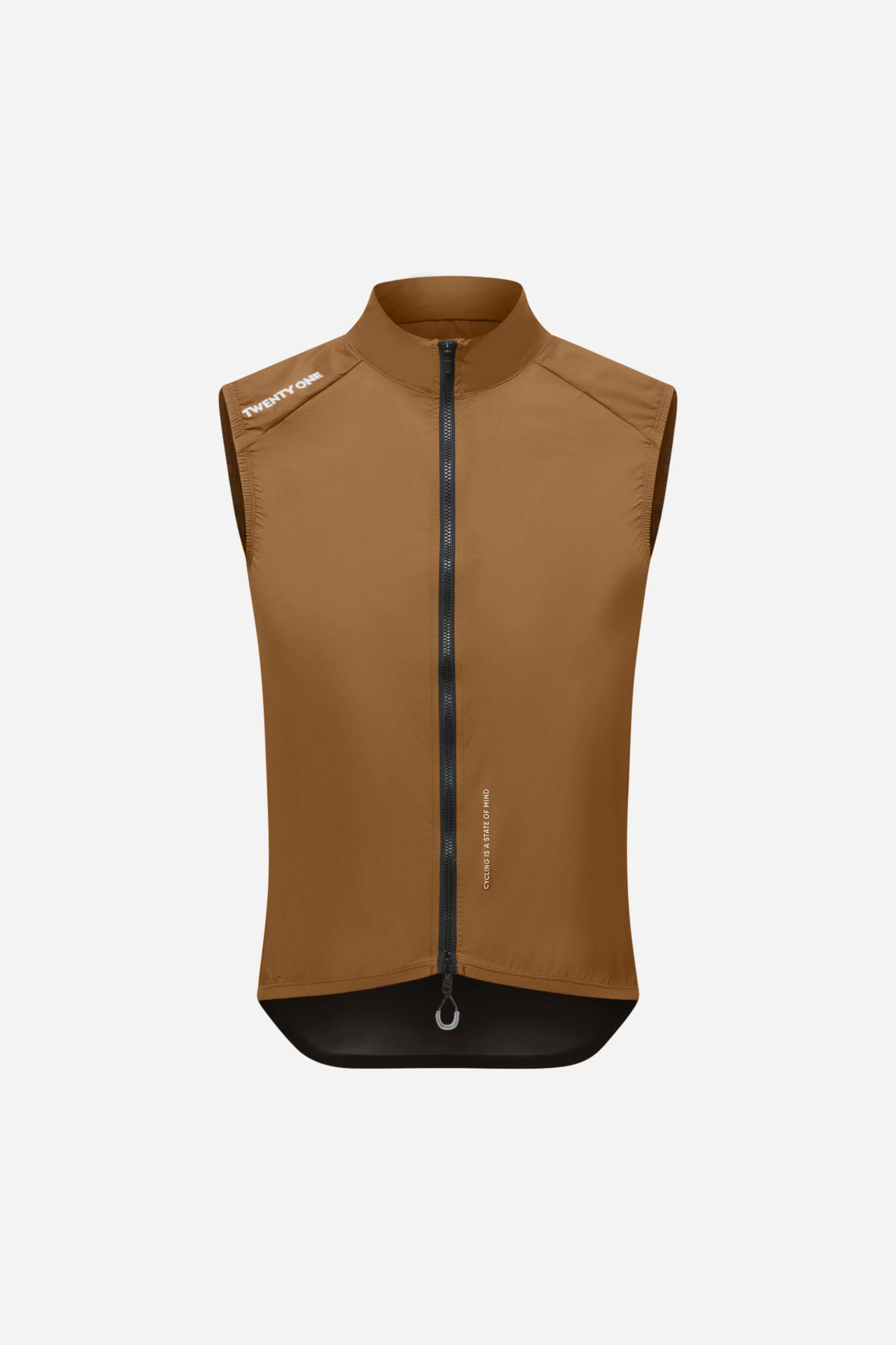


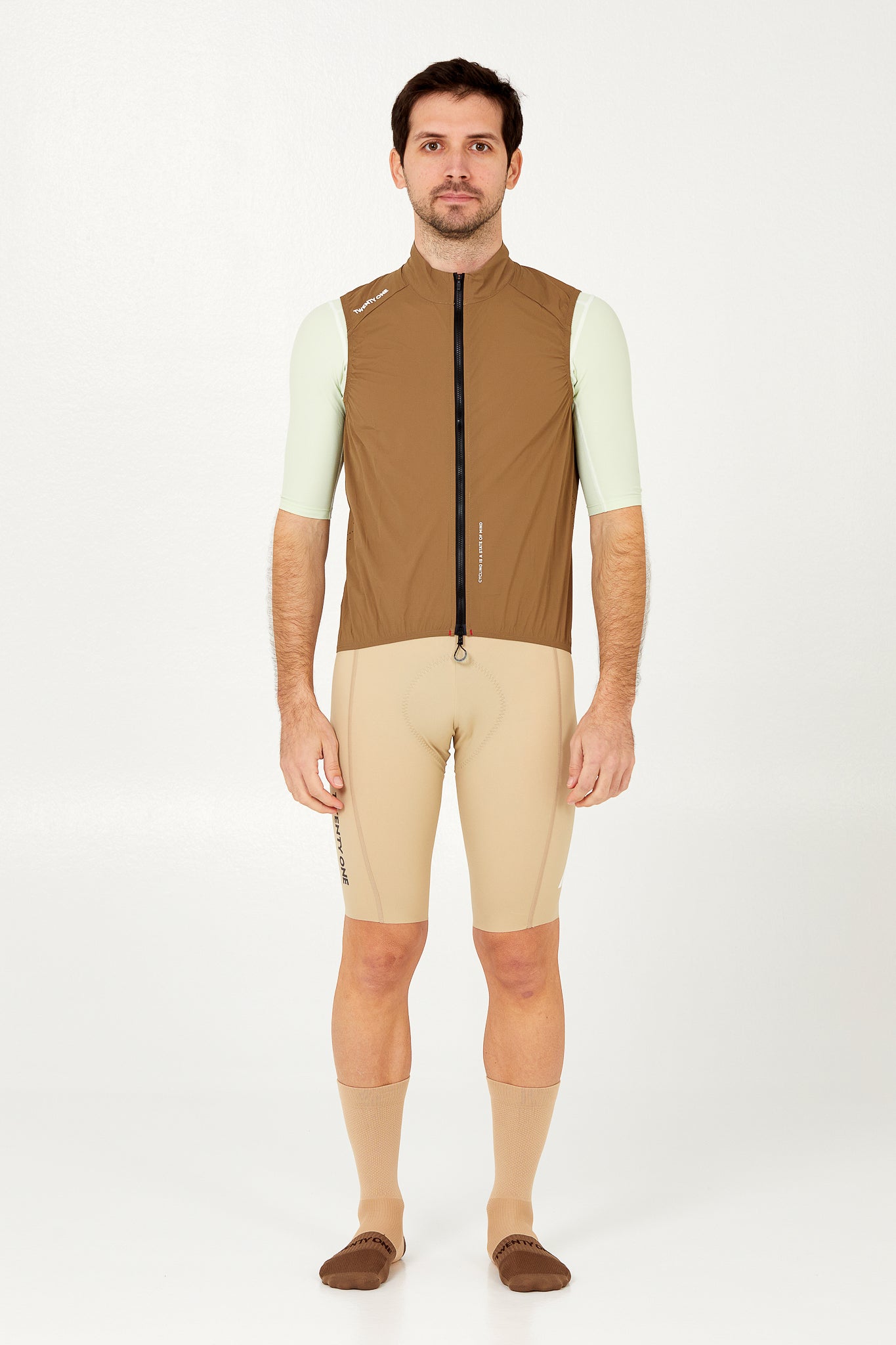
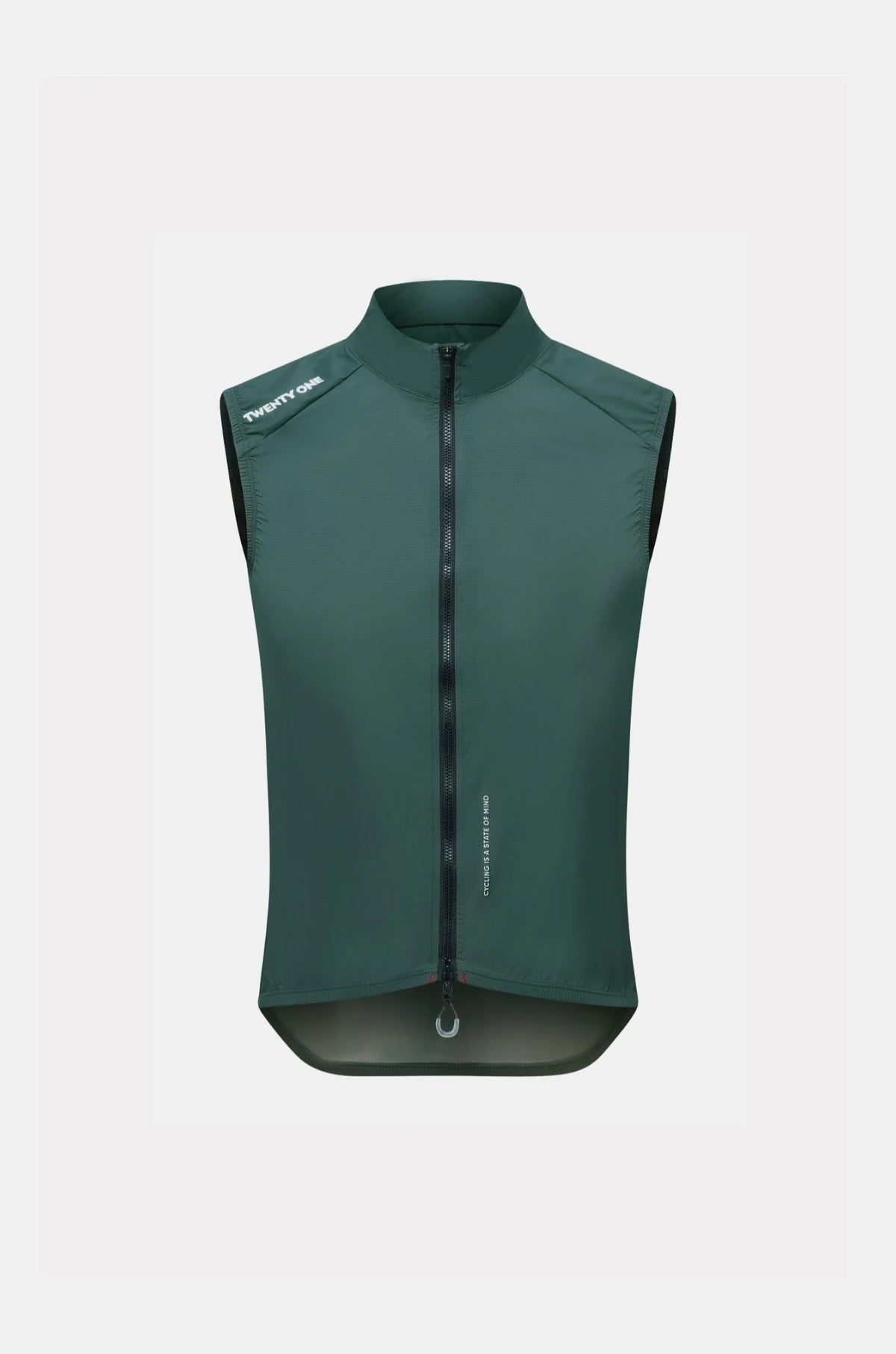


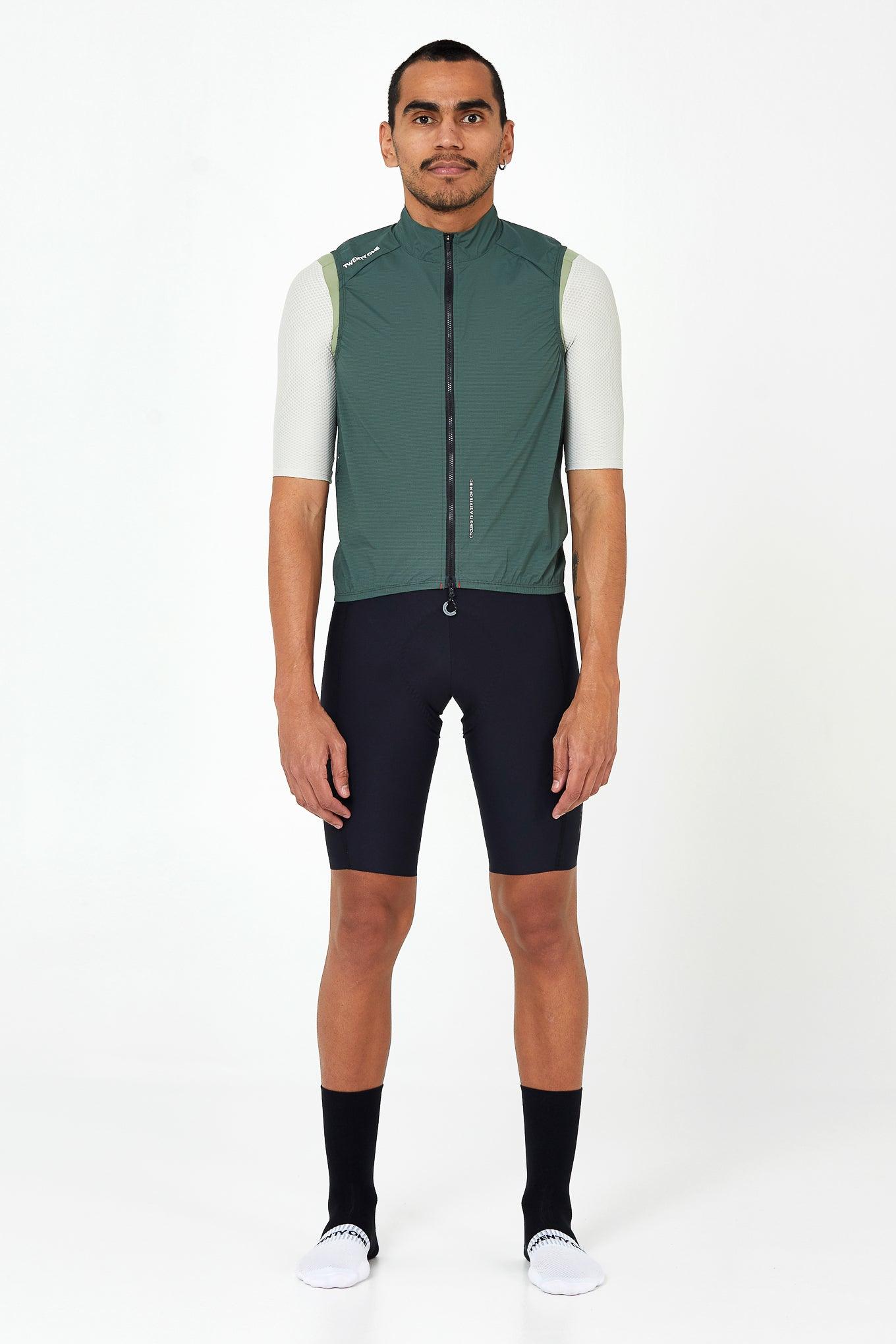
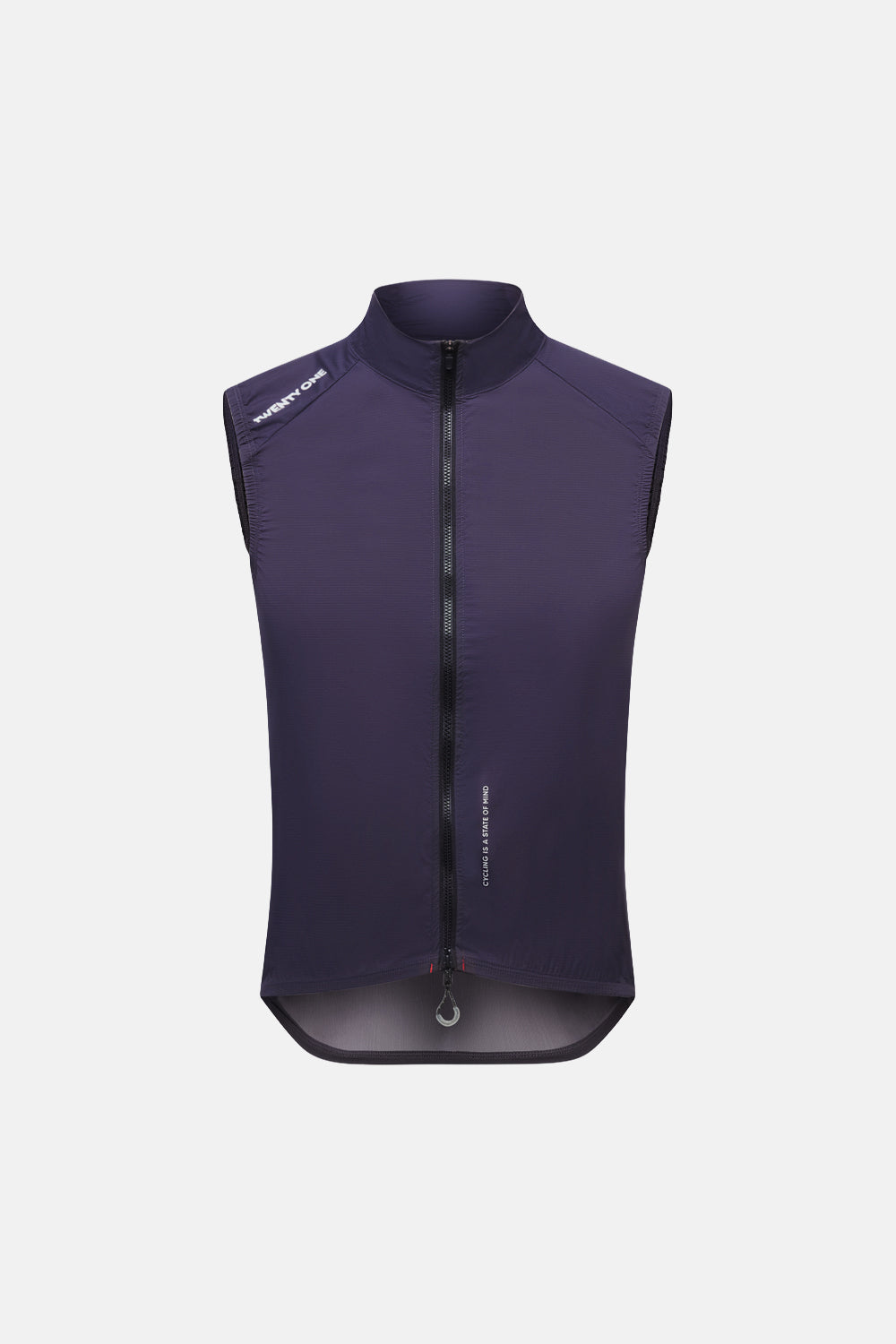


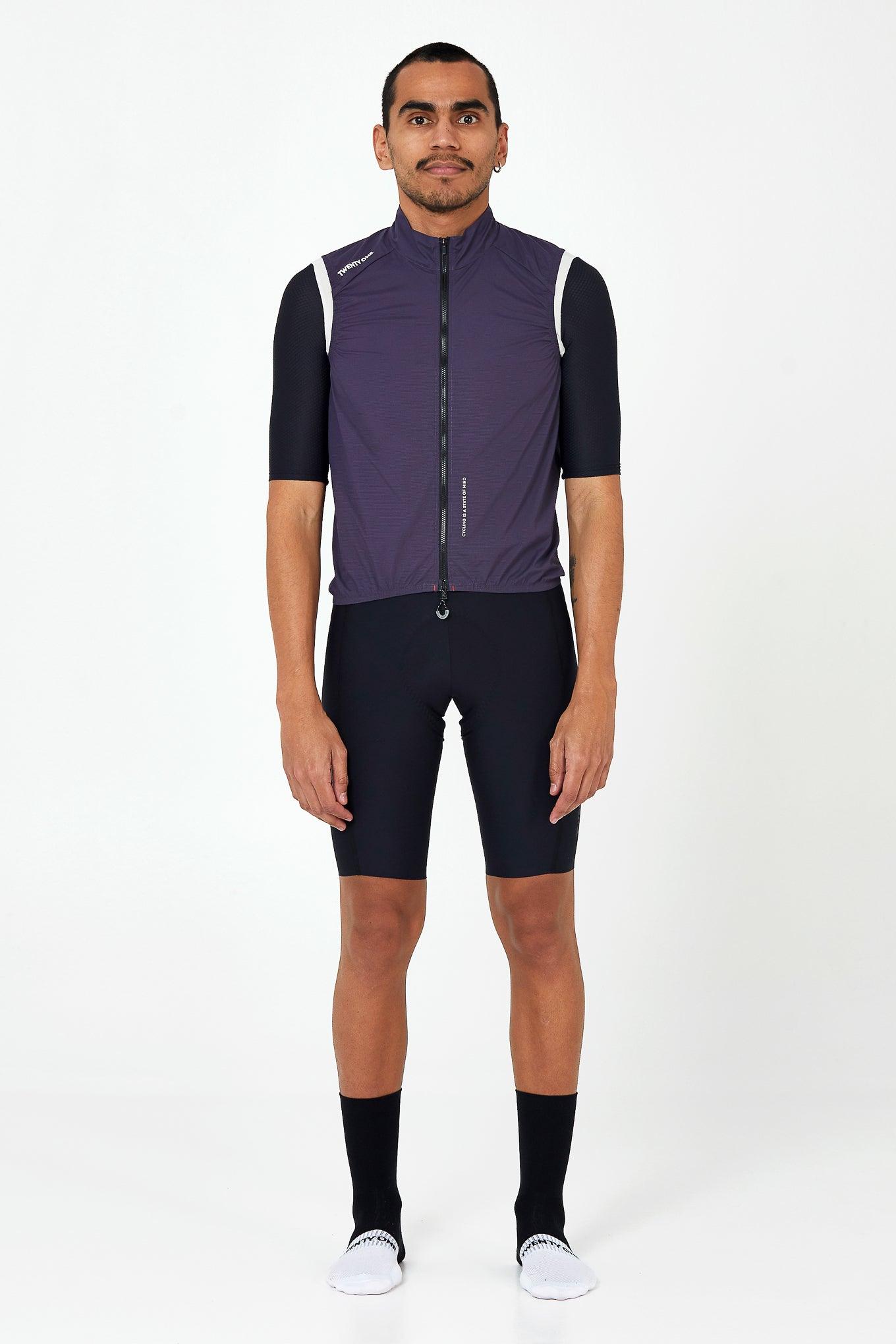
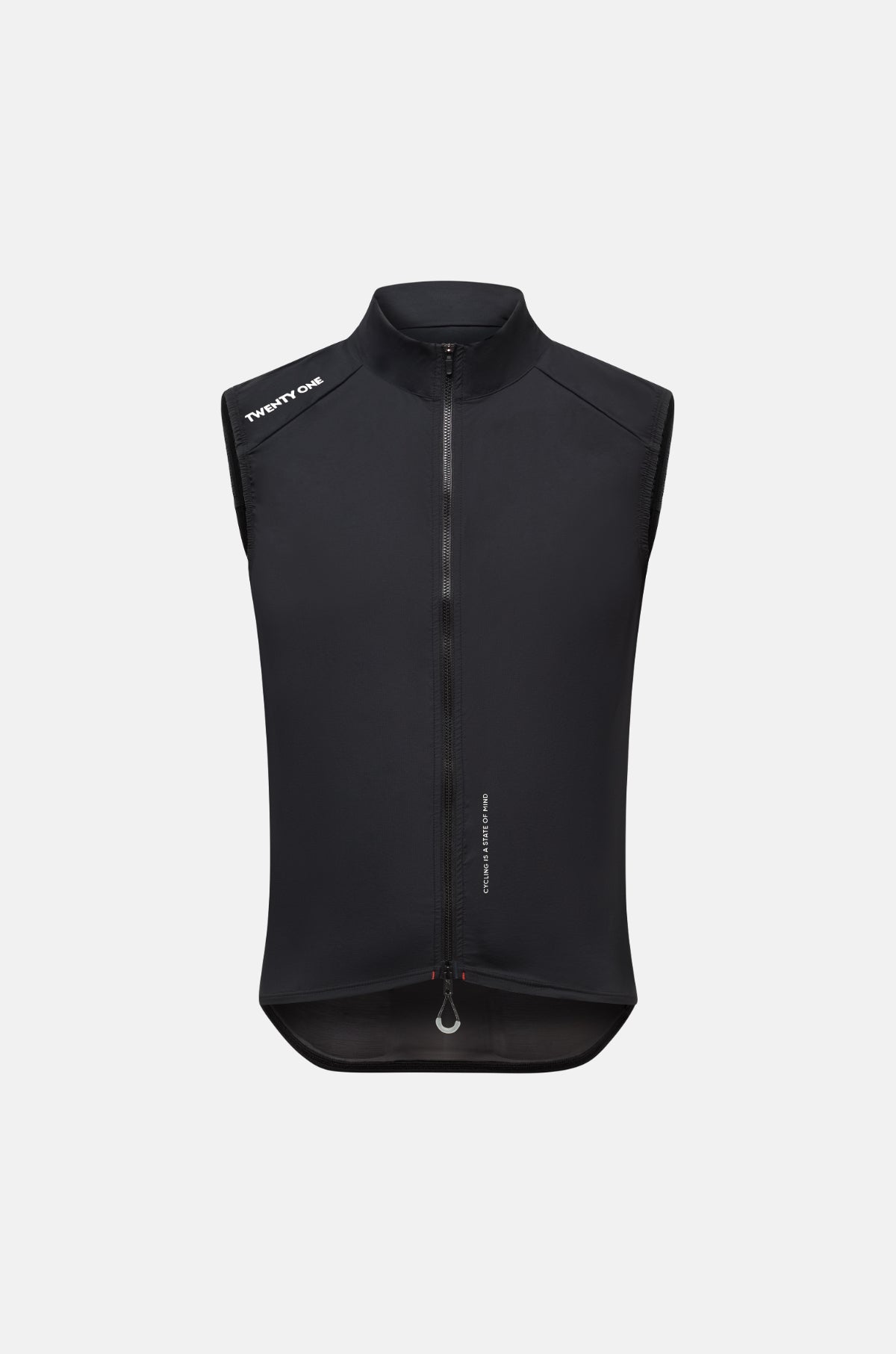


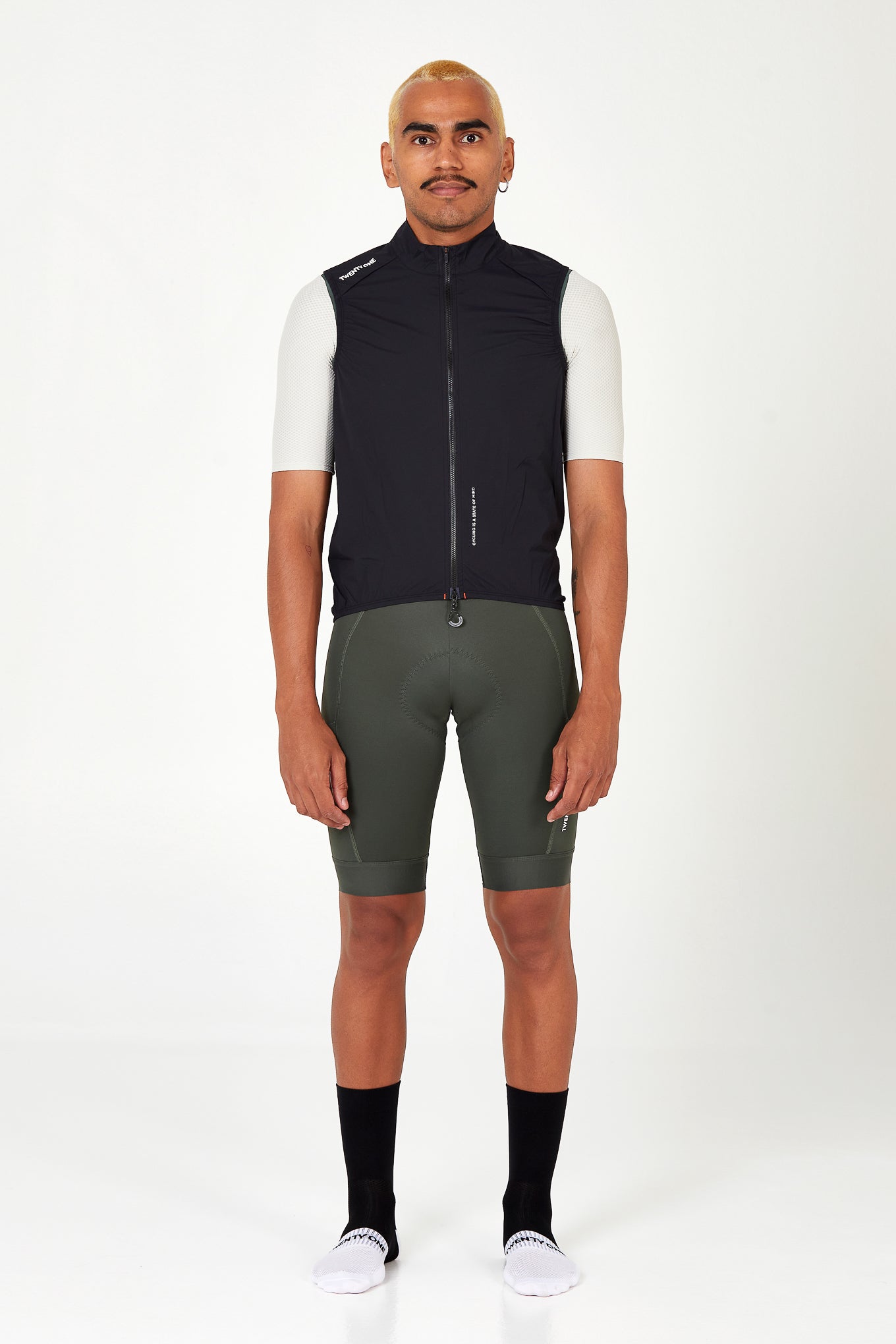
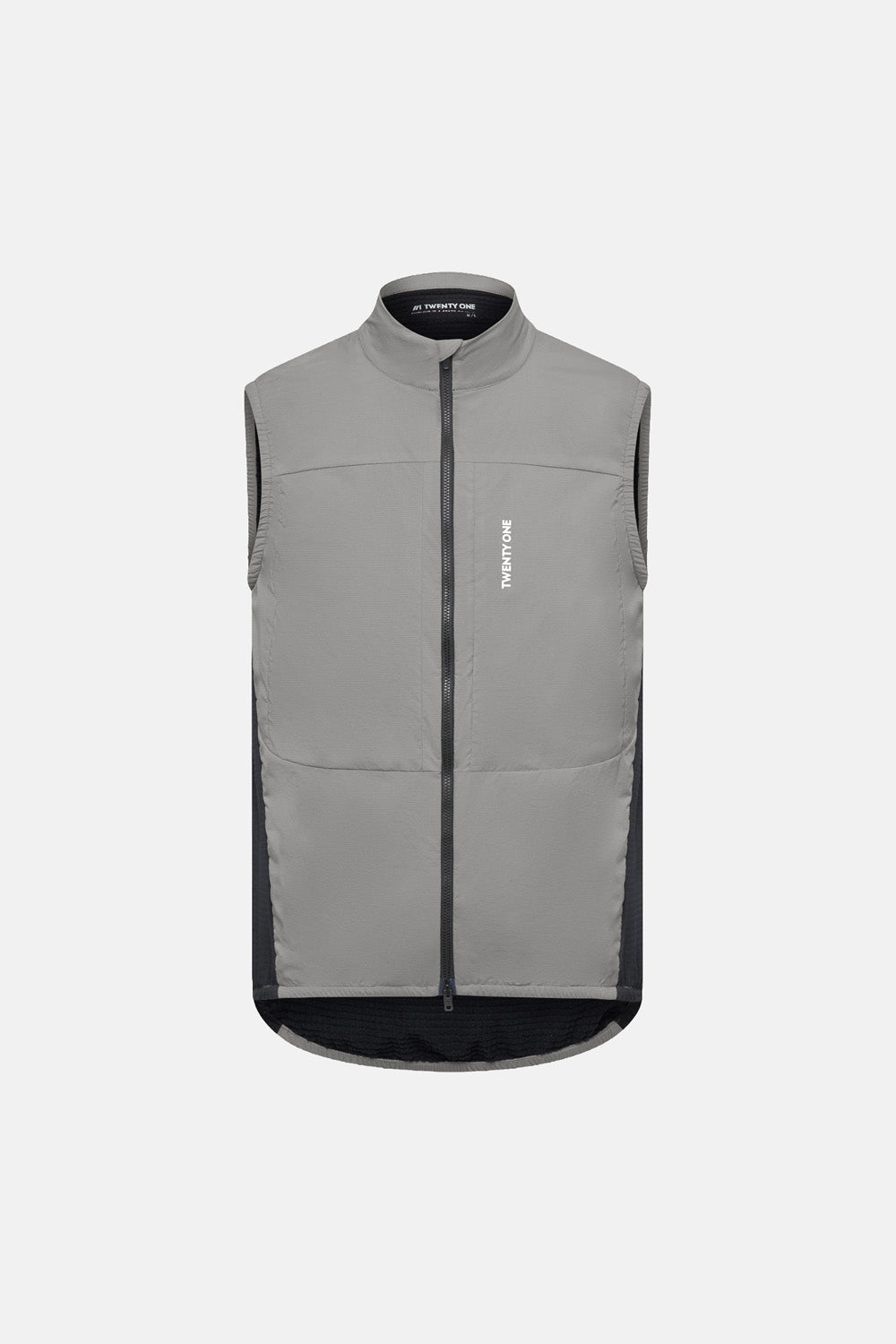


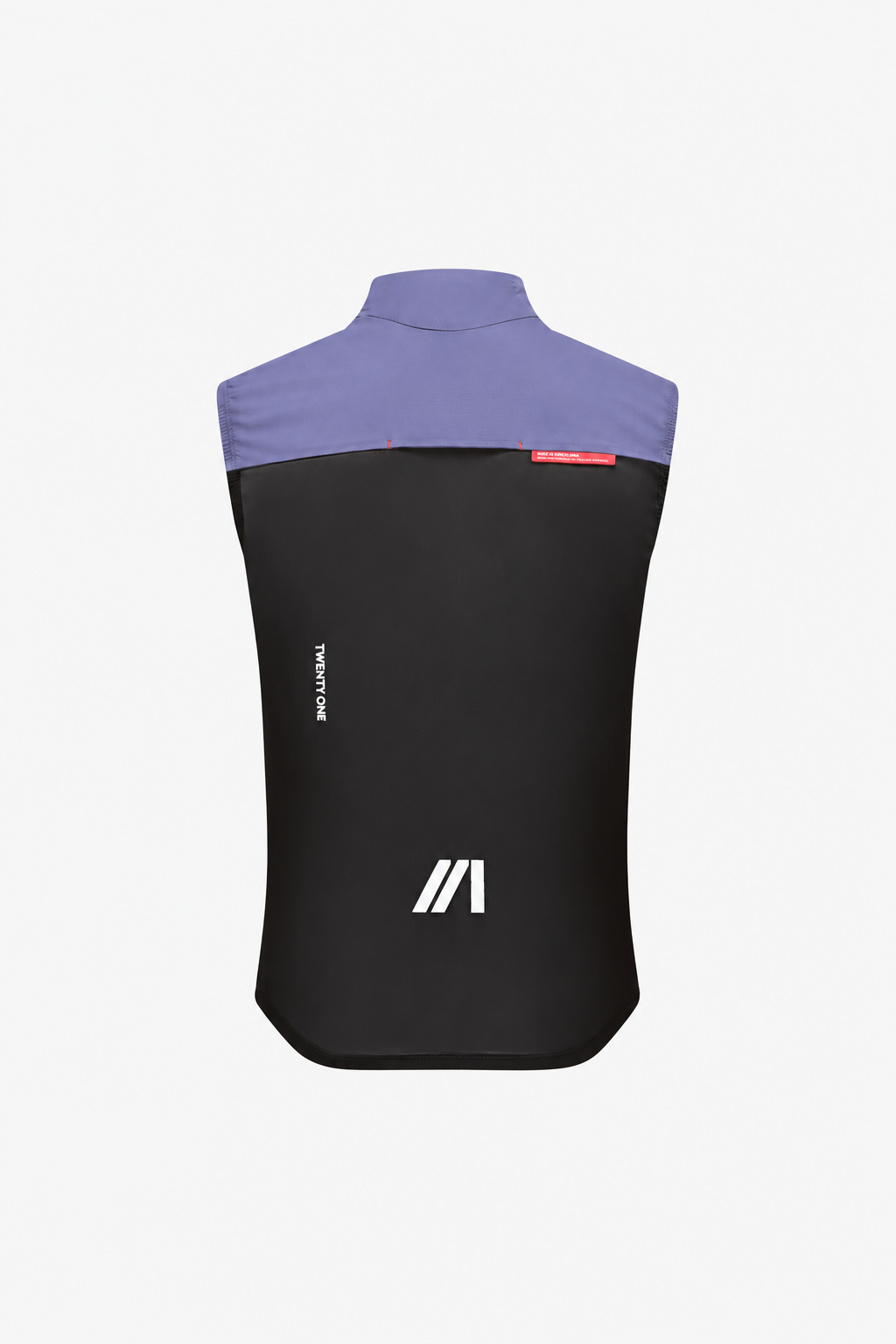
Learn more about cycling vests
Cycling vests are the key layer for temperature control without sacrificing aerodynamics. On routes in Barcelona and Girona — with coastal winds, changing light, and Pyrenean mountain passes — a good vest allows you to adjust in seconds. Here you'll find vests for wind and cold, with a precise fit and technical materials proven on the road.
Why a cycling vest makes a difference
A cycling vest adds frontal wind protection and stabilizes the core without adding bulk to the shoulders and arms. It's the most useful garment for in-between seasons: cold mornings, long descents, or windy rides. Our models prioritize lightness, rain resistance, and a fit designed for pedaling in position.
Types of cycling vests (by use and climate)
Lightweight and compact windbreaker
Front with windproof membrane and mesh back to wick away moisture. Easily foldable and fits into a jersey pocket.
- Recommended: cool mornings, mountain passes, constant wind.
- Key product: Unisex Windbreaker Vest Factory 3.0
Thermal vest for cold days
Panels with thermal fabric that retain heat without saturating. Ideal between 5–12 °C with a base layer or thermal jersey.
- Recommended: mild winter, cold wind.
Hybrid vest (thermal + windbreaker)
Combines windproof front and light thermal lining for maximum versatility year-round in Barcelona/Girona.
- Recommended: long rides with changes in elevation and climate.
How to choose your cycling vest
Discipline: road, gravel, or indoor
- Road: aerodynamic, snug collar, and hem that seals the waist.
- Gravel: accessible pockets, durable panels, and visibility.
- Indoor: not essential, but an ultralight windbreaker helps during warm-ups if there's a draft.
Temperature, wind, and altitude
- >12 °C and wind: lightweight windbreaker.
- 5–12 °C: thermal or hybrid with base layer.
- Long descents in the Pyrenees: 100% windproof front, high collar, and zippered garage.
Fit (race fit vs. comfort) and layers
- Race fit: tight is the best option; ideal with an aero jersey.
- Comfort: slightly looser for gravel or thicker layers.
Tip: try it on with your actual layers (base + jersey/jacket) to check shoulders and waist seal.
Materials and technology
Windproof membranes and DWR
Membrane fronts block direct airflow. DWR treatment repels drizzle or wheel spray (for sustained rain, use a waterproof jacket).
Thermal fabrics and breathable panels
Thermal linings retain heat and, combined with mesh sides, regulate moisture without compromising mobility when climbing hard: protective front, breathable sides.
YKK zippers, pockets, and reflective elements
Double zippers (bottom ventilation on climbs), thermal and breathable fabric for gloves, silicone palm for better grip, and touch-sensitive inserts. Quick access to jersey pockets or a back pocket depending on the model.
Quick size and fit guide
Choose by chest circumference and primary use:
- Performance/Aero: tightest fit.
- Versatile/Gravel: one size up to accommodate layers.
Consult the men's size guide and check the back length (covers the lower back without wrinkling).
Care and maintenance
- Wash inside out in cold water, without fabric softener.
- Close zippers/velcros to avoid damaging the fabric.
- Dry in the shade.
More information on product care .
Related categories and resources
- Explore jackets : to combine on rainy or intensely cold days.
- Discover jerseys : base layers for the climate.
- Discover bib shorts : to complete your training kit on colder days.
Frequently Asked Questions about Cycling Vests
What fit is better for a cycling vest: snug or comfortable?
If you're looking for road performance, choose a snug fit. For gravel or thicker layers, a slightly more comfortable fit works best.
At what temperatures should you use a thermal vest versus a windbreaker?
Thermal for ~5–12 °C (with base layer); windproof when it's breezy or for descents above 10–12 °C.
Does the same vest work for road, gravel, and indoor riding?
Yes, but for road it prioritizes aerodynamics; for gravel it values pockets and visibility; for indoor it's only for warming up or transitions with current.
How should I wash my vest so it lasts longer?
Wash inside out, in cold water, without fabric softener, and air dry in the shade. Check the label to reactivate the DWR with gentle heat if applicable.
How do you handle shipping and returns?
Fast shipping and easy returns according to current policy; check updated information at checkout and on the site's shipping policies page.